Art teachers balance their own creative practice with lessons, demonstrations, and classroom projects. Useful gifts can support that mix, whether they keep drawing materials close at hand or make a shared workspace easier to use.
These nine ideas span portable supplies, painting tools, and practical studio helpers, with options for different teaching styles and gifting occasions.
9 Thoughtful Gift Ideas for Art Teachers
U.S. Art Supply 162-Piece Mega Wood Box Artist Kit
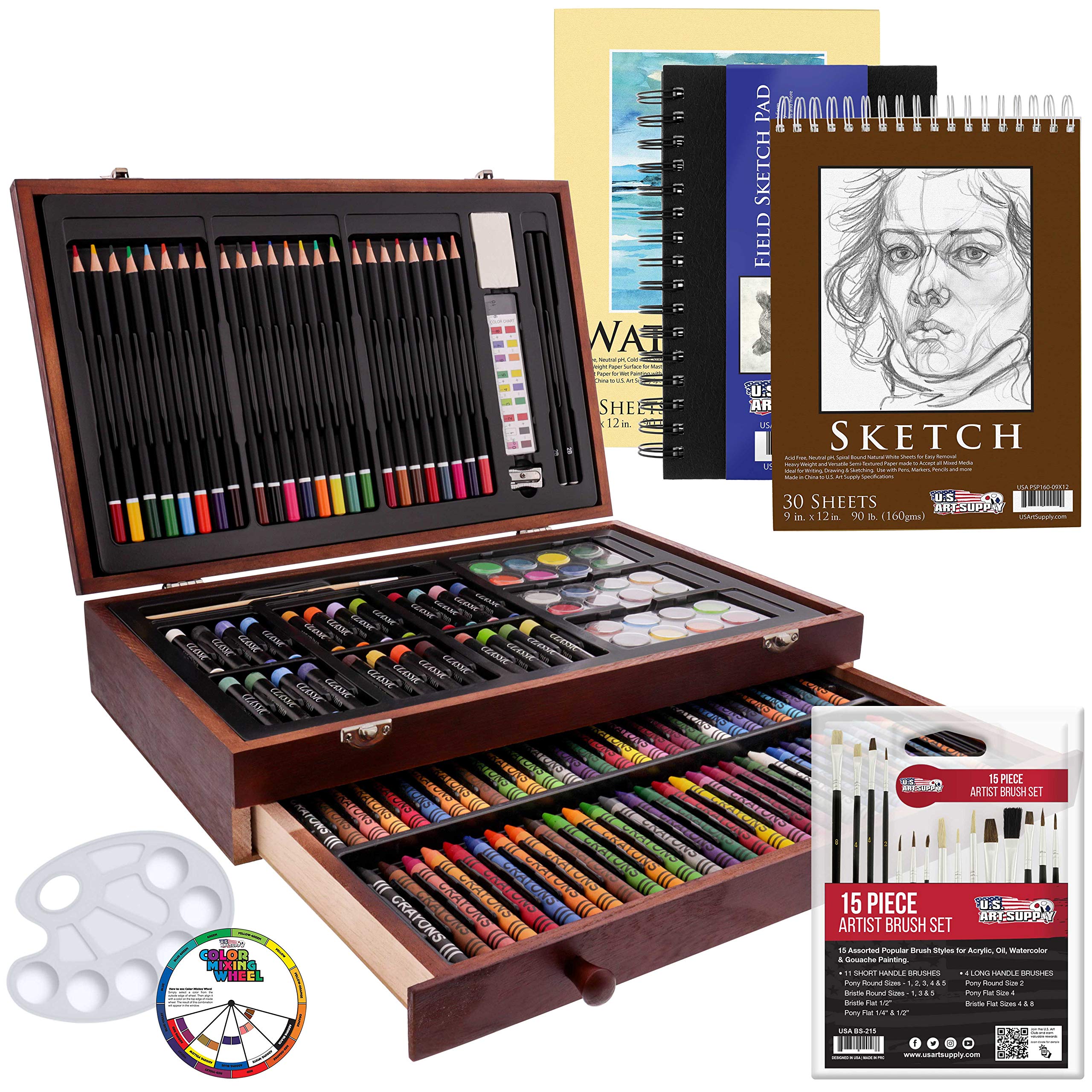
- The wooden case and storage drawer hold a wide assortment of drawing and painting supplies.
- Includes watercolor cakes, oil pastels, colored pencils, and crayons.
- Also comes with watercolor paper, sketch paper, and a hardbound field sketchbook.
Best Gift For: An art teacher who enjoys having a broad range of drawing and painting materials for demonstrations or personal projects.

Primrosia 60 Dual Tip Marker Pens
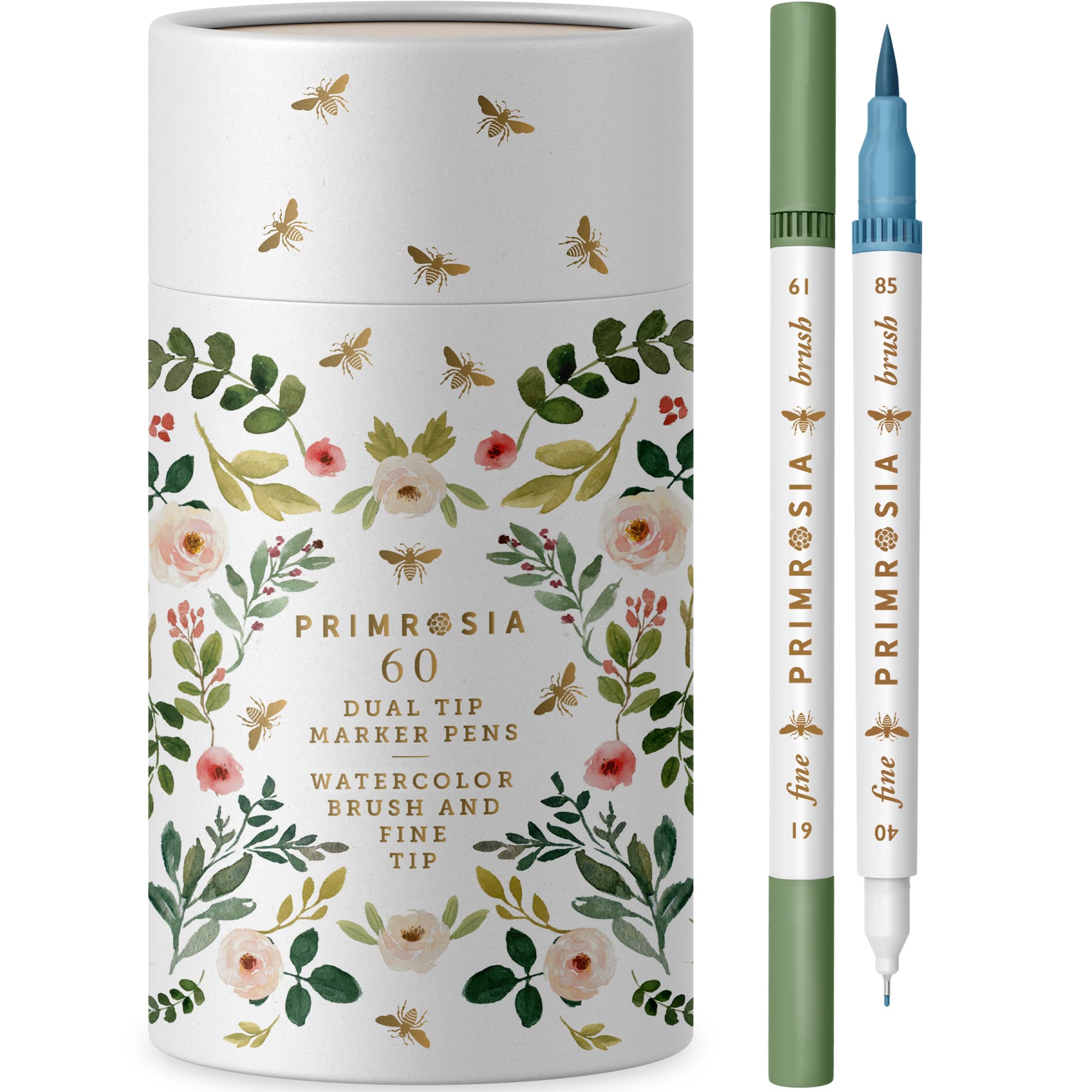
- Each marker combines a watercolor brush tip with a fineliner for outlining and detail.
- The set offers 60 colors for solid coloring, blending, or watercolor effects.
- For watercolor effects, use with smooth or medium watercolor paper.
Best Gift For: An art teacher who likes demonstrating illustration, lettering, or coloring techniques with markers.
U.S. Art Supply 24-Color Outdoor Acrylic Paint Set
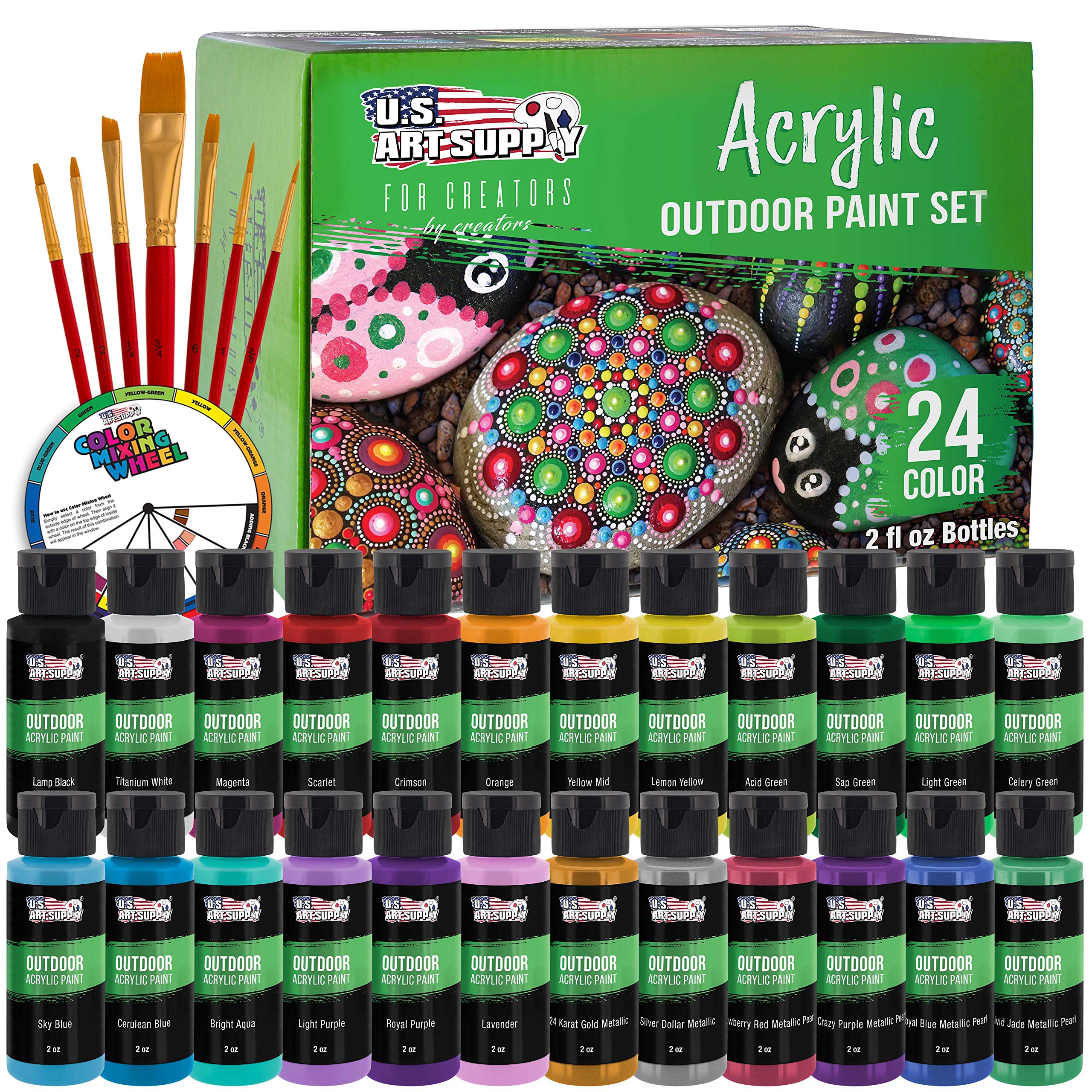
- The set includes 24 colors in 2oz bottles.
- Suitable for indoor and outdoor painting on canvas, rocks, and wood.
- The set includes a color mixing wheel and 7 premium brushes with flat and round nylon tips.
Best Gift For: An art teacher who leads painting activities with canvas, rocks, wood, or other craft surfaces.
Mr. Pen Acrylic Paint Brushes, 100-Pack
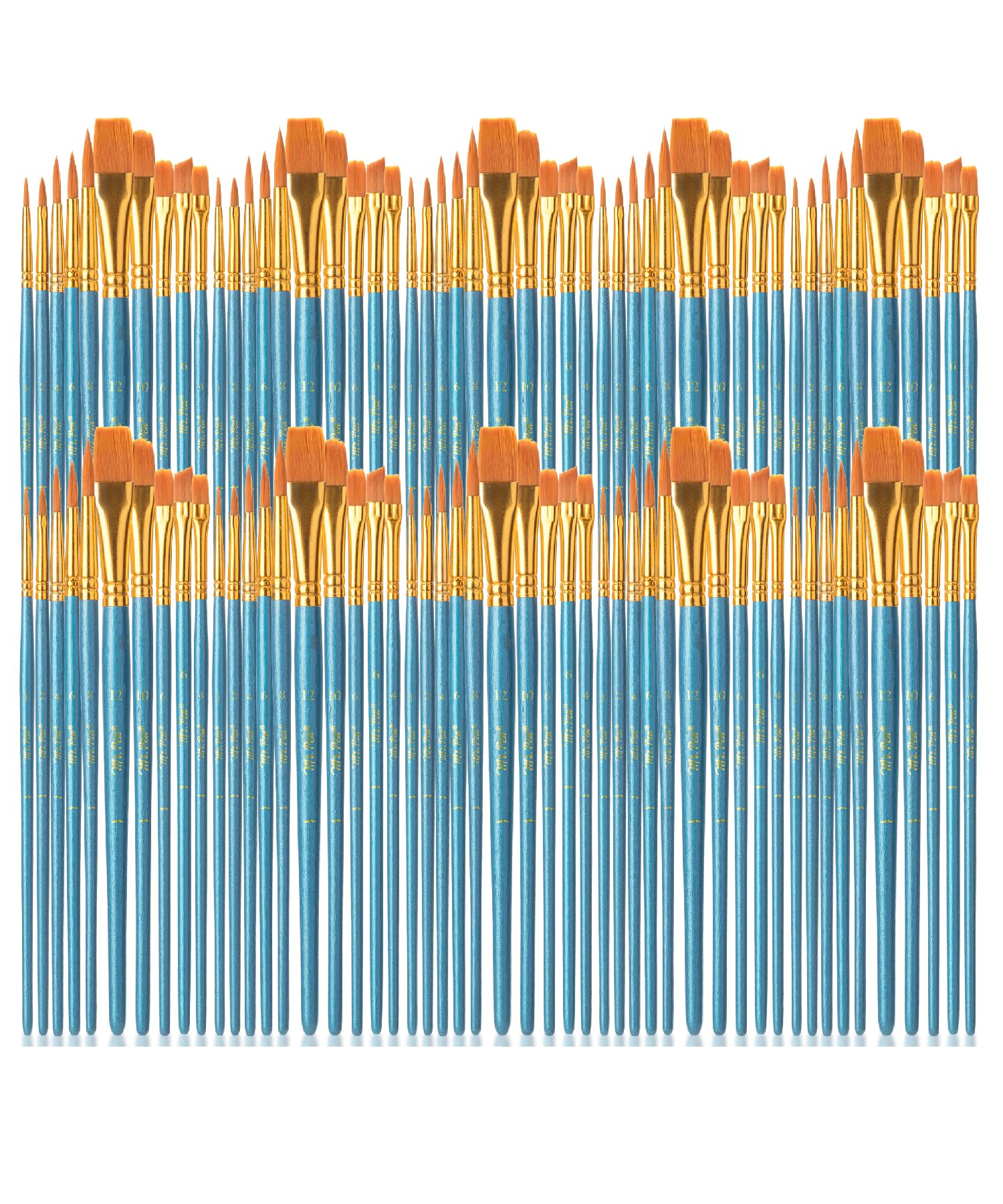
- The set contains 100 brushes arranged in 10 sets.
- A variety of brush shapes and sizes supports detailed work and broad strokes.
- The brushes are intended for acrylic, watercolor, oil, and craft painting.
Best Gift For: Art teachers planning classroom painting activities
U.S. Art Supply Tabletop Easels, Pack of 10
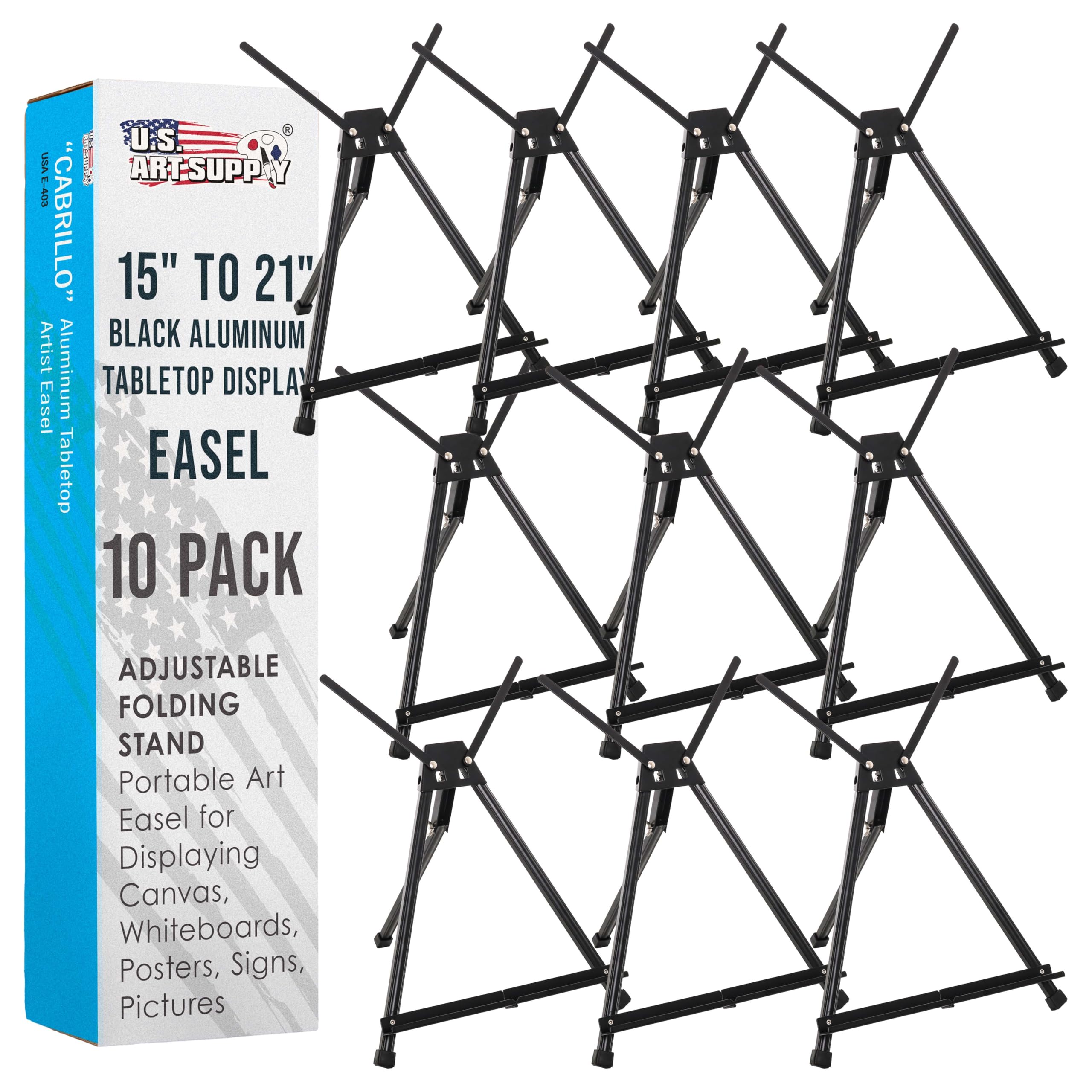
- The pack includes ten tabletop easels that adjust from 15" to 21".
- Each easel can hold items up to 24" x 30" and under 10 lbs.
- The portable stand folds for storage and transport.
Best Gift For: An art teacher who displays student work, framed pieces, signs, or presentation materials on tables.
U.S. Art Supply 11" x 17" Artist Sketch Tote Board
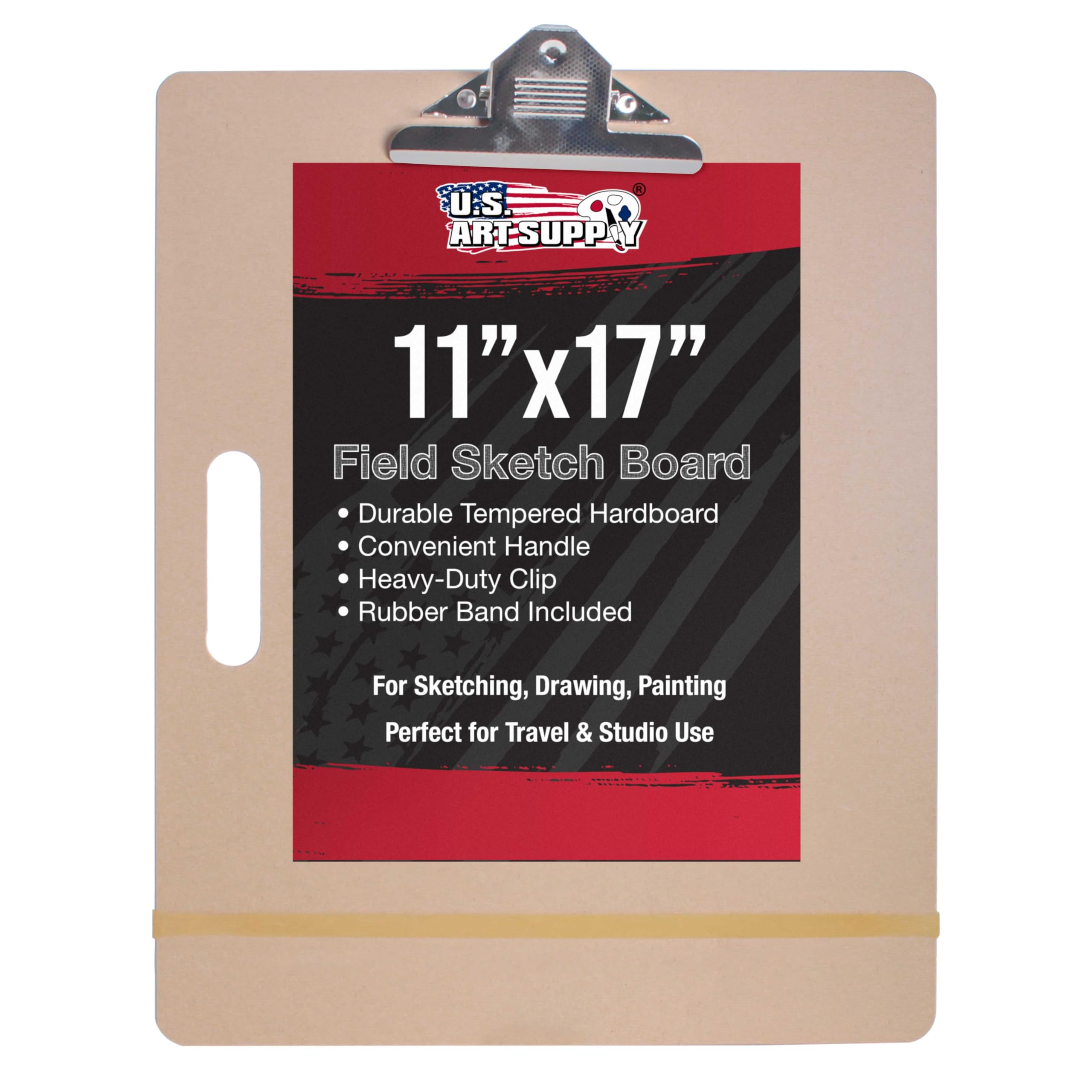
- The hardboard has a built-in handle for carrying.
- A spring-loaded clip and elastic band help hold paper or canvas in place.
- It is designed for classroom, studio, and outdoor art sessions.
Best Gift For: An art teacher who sketches at home, in class, or outdoors and wants a portable drawing surface.
U.S. Art Supply 9" x 12" Sketchbooks, 2-Pack
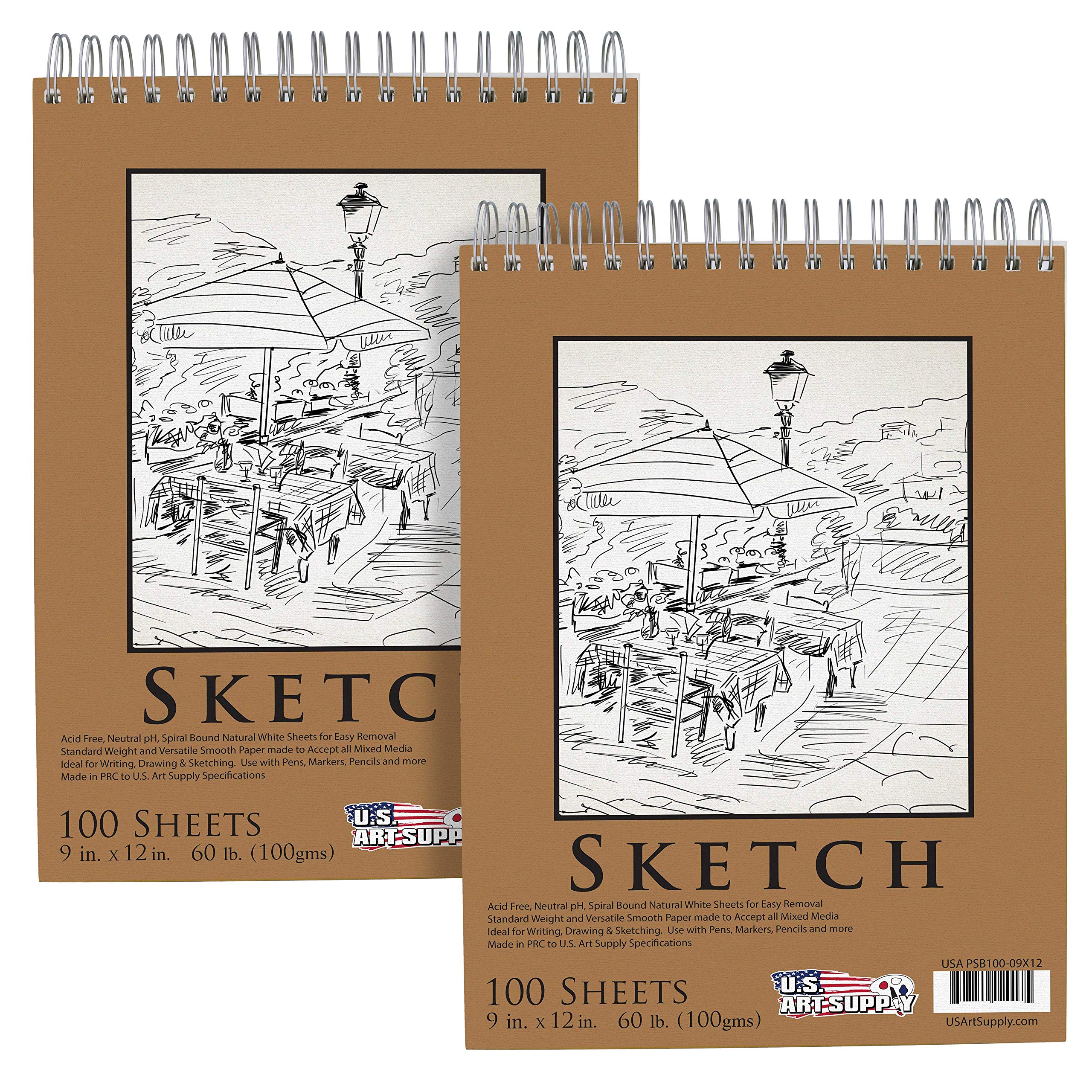
- The two sketch pads contain 200 sheets total.
- The acid-free paper is suitable for most types of dry media.
- Top spiral binding makes the pads easy to turn.
Best Gift For: An art teacher who uses sketchbooks for drawing, writing, or dry-media practice.
10X Rectangle Magnifying Lamp with 5 Color Modes
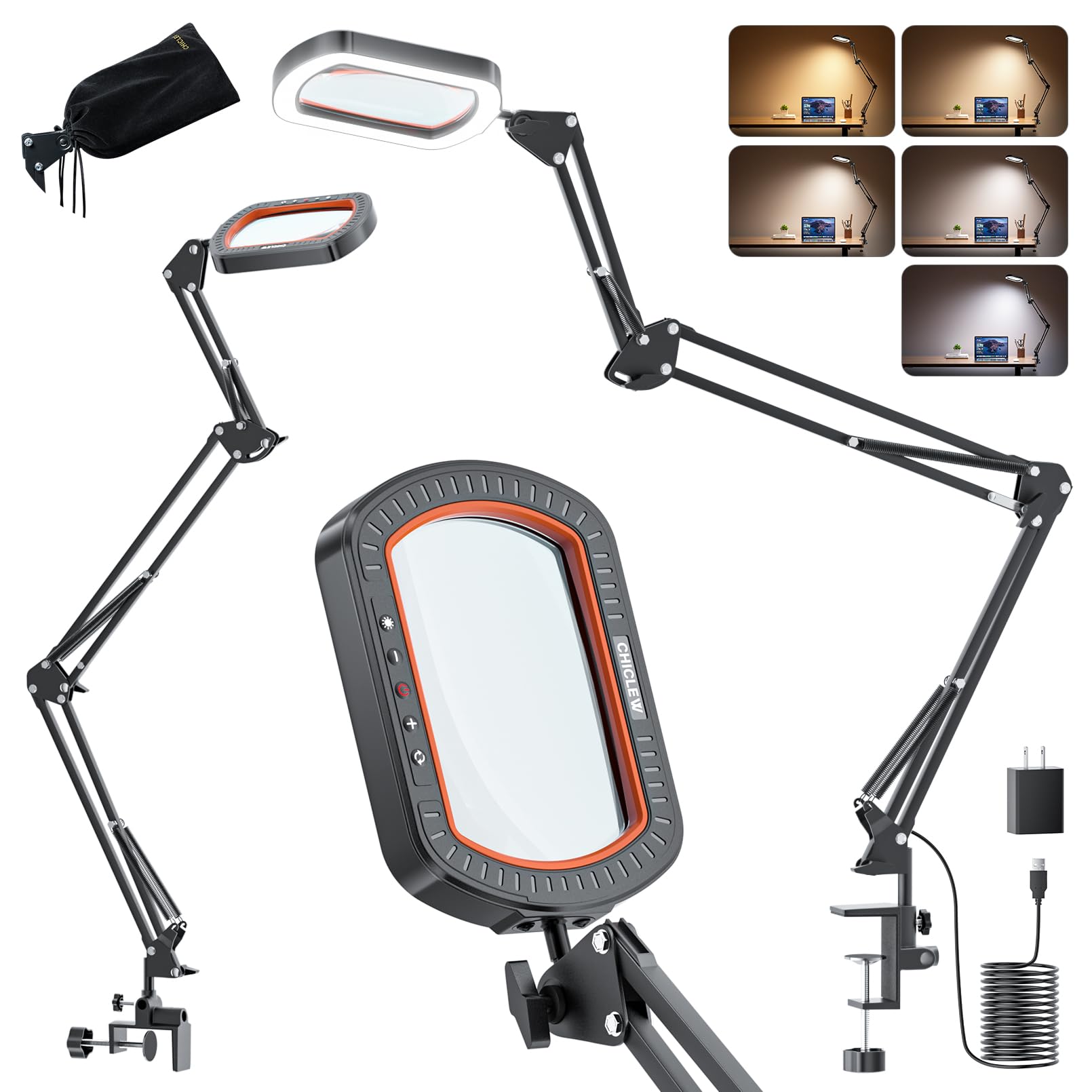
- The rectangular magnifying glass uses a genuine glass lens.
- Its lamp offers five color modes and smooth brightness control.
- A metal clamp attaches to desk or table edges.
Best Gift For: An art teacher who reads small print or works on close, detailed tasks at a desk.
Mr. Pen Mini Hot Glue Gun with 30 Glue Sticks
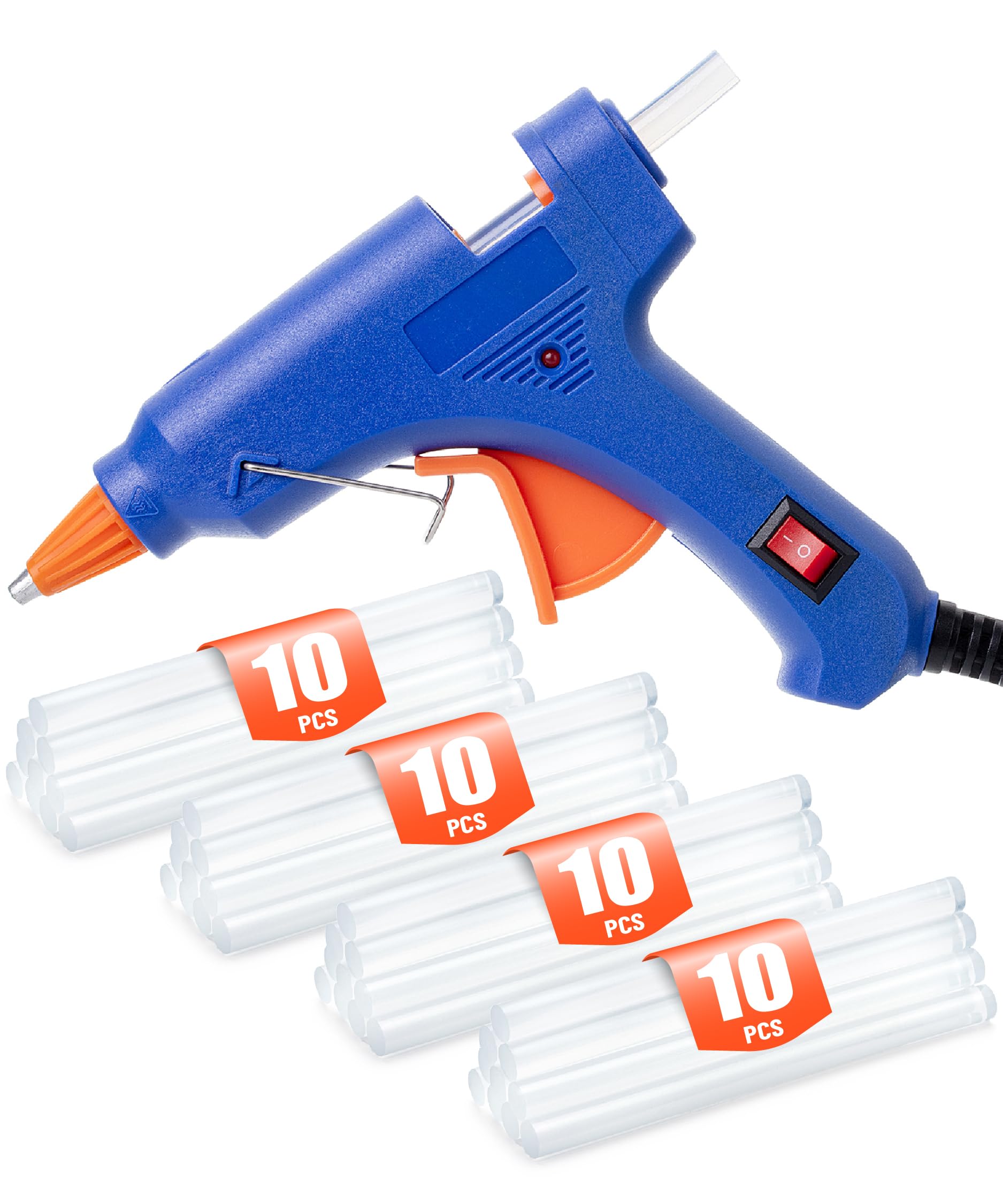
- The product title pairs a mini glue gun with 30 glue sticks.
- The compact size makes it easy to store and transport.
- It works with wood, metal, plastic, and fabric.
Best Gift For: An art teacher who uses hot glue for classroom crafts, small repairs, or DIY projects.
Choosing gifts for art teachers around their routine
Start with the setting where the recipient spends most of their creative time. Someone who moves between classrooms and outdoor sketching may appreciate portable supplies, while a teacher who gives frequent demonstrations may value materials that are easy to keep organized and bring to a table.
For gifts for art teachers, think about whether the item supports personal practice, class preparation, or displaying finished work. A sketch surface can suit someone who draws on the go; a collection of display stands may be more relevant for a teacher who regularly presents student pieces or lesson examples.
When you are unsure about their preferred medium, choose versatile materials or a practical tool that complements what they already use. A short note asking about favorite colors, paper types, or classroom needs can guide the choice without turning the gift into an assignment.
Balance the budget with usefulness
A useful gift does not need to be an elaborate set. Small tools and replenishable materials can be thoughtful when they fit an established routine, while a larger assortment makes sense when the recipient enjoys experimenting with several approaches.
Decide first whether the aim is a modest thank-you or a more substantial occasion gift.
Compare the scope of a set with what the teacher may already own. For a shared classroom, a larger supply can support group activities; for personal use, a focused item may be easier to store and more likely to match their practice.
Check actual prices before buying, since they can change.
For gifts for art teachers on a tighter budget, pair one practical item with a handwritten note or a small contribution from students. This keeps the gesture personal and helps avoid buying several supplies that may duplicate classroom stock.
Personalize the gift and presentation
A personal touch can make gifts for art teachers feel connected to the recipient. Add a note naming a class project, student exhibition, or demonstration that made a difference, and explain why you thought the gift might be useful for their own creative time.
Consider presenting the item with a card made by students or a small collection of messages from colleagues. If the gift is a tool or material, simple wrapping that protects it and is easy to open can be more practical than elaborate packaging, especially when it will be carried into a classroom.
Before choosing a medium-specific supply, consider what the teacher actually enjoys using. A favorite technique or color family can make a present feel intentional, while a neutral studio helper may suit someone whose preferences are less familiar.
Keep the message warm and specific rather than making the recipient feel obliged to use it in class.
Choose a useful fit for the classroom
Think about shared space, storage, and cleanup before buying something intended for classroom use. A teacher working in a compact room may benefit from portable or foldable tools; items for group activities can be more useful when they are easy to organize after a lesson.
Check compatibility with the recipient's existing materials, along with dimensions and storage needs. For paints, paper, and tools, confirm that the intended surfaces and techniques match their plans.
If you are buying a practical classroom item, make sure it suits the space where it will be used.
If this gift will be used by students, consider how the teacher manages supplies and whether the item can be stored between sessions. A thoughtful choice should make an activity easier to prepare or present, without creating a new organizing task.
Last-minute gifts for art teachers
When time is short, choose something easy to understand and relevant to a known interest rather than guessing at a specialized material. A gift card with a personal note can also let the teacher select a paper, tool, or color range they prefer.
Check current delivery estimates before placing an order, and allow time for the item to be opened and checked. If a physical gift may arrive late, give the note or card on the occasion and explain the plan without promising a date you cannot confirm.
A simple presentation can still feel considered: wrap the item securely, include a message from the class or team, and mention the particular moment or project that inspired it. The care in that note often matters more than adding extra supplies the recipient may not need.